How often should you
change your filter?
Once you've found your perfect air filters and stocked up, how do you know the frequency with which you should change them, and when to replace your furnace filter? Or, if you're not sure which way it goes, see which way does furnace filter go.
It's imperative to switch out your dirty furnace filters on a regular basis, as recommended by the manufacturer. The time frames vary by model and type, with recommended changes usually suggested on each one.
General replacement guideline
- One-inch thick filters: 30 days to three months
- Two-inch thick filters: two to four months
- Four-inch thick filters and higher: three to six months
One way to remember this task is to jot it down on your calendar or set up a recurring reminder on your smartphone whenever you make a change. That way you'll always know when the next one is due.
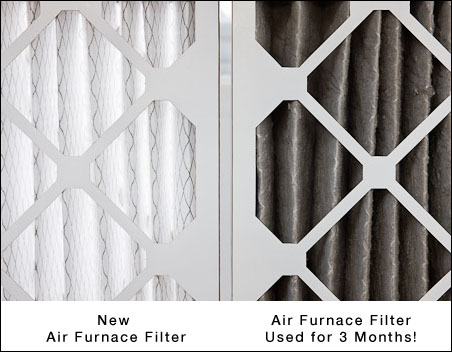
Most furnace filters 16x25x1 need a change after two to three months, but you may want to replace yours more or less often depending on lifestyle and use. Change it every month or so if you're a smoker, have pets, live in a heavily congested or dusty area, or have family members with allergies.
3 tell-tale signs it's time to change your filter
- No air flow coming out of the AC or HVAC system
- Takes longer to raise the temperature in extreme cold weather, because air flow is blocked by a dirty filter
- Takes longer to lower the temperature in extreme hot weather, for the same reason
A visual inspection also helps if you've forgotten to set a reminder:
- Hold the filter up to the light. If light comes through and there's just a little dust between the pleats, put it back in for another month.
- If it's dark gray with no light getting through and visible dust and debris, replace it right away.
A bit of advice on AC units
With AC units, you'll see water at the bottom from melting ice. When air flow is blocked, ice builds up, which blocks air flow further. If this happens, shut the AC off for a few hours to let the ice melt, then restart it. If cold air still doesn't come out, you likely need more refrigerant — call an HVAC company for repair.
Install a new filter before restarting the unit. If you don't have one on hand yet, running the AC without a filter for a day or two while you wait for a replacement is not ideal, but it's better than running it with a filter packed with dust.
Here's a helpful link on why filter changes matter: Top Two Reasons Why Your A/C System is Experiencing Ice Build-Up.
Why changing filters regularly matters
A filter left in too long stops doing its job — dust and dirt blow through it and settle in carpeting, bedding and furniture instead of being captured. Changing filters at the recommended intervals helps maintain airflow, keeps your system running efficiently, and can reduce the dust that circulates through the house.
Fresh filters also mean less strain on your system, which can help you save on energy costs and avoid unnecessary AC or furnace repairs.
We don't make inflated promises about extended filter life. We sell what the manufacturer recommends.